
Dear readers,
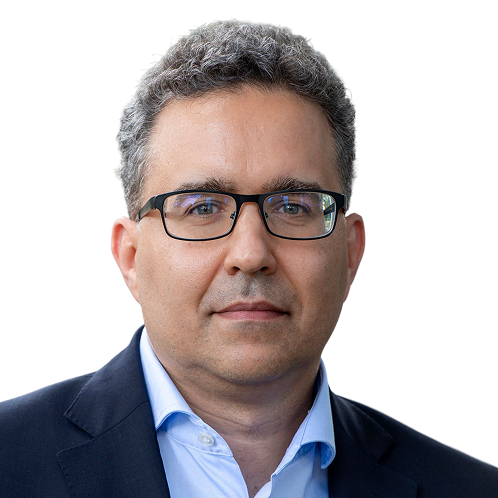
Prof. Dr. Michael Boutros
Dean of Heidelberg Medical Faculty
Scientific excellence emerges where research, teaching and patient care are closely interconnected, and where different disciplines work together to address the challenges of tomorrow’s medicine.
Semper apertus – always open. This guiding principle of Heidelberg University reflects the mindset that underpins everything we do: openness to new scientific discoveries, to dialogue across disciplines, to new technologies and to international partnerships. Particularly in a time of profound scientific and societal change, this openness is an essential prerequisite for innovation and excellence.
The year 2025 once again demonstrated the strength of this approach. Scientific excellence emerges where research, teaching and patient care are closely interconnected, and where different disciplines work together to address the challenges of tomorrow’s medicine. This close integration is the foundation of our success – and at the same time the benchmark for our continued development.
Heidelberg Medical Faculty once again demonstrated its outstanding position in both the national and international academic landscape. Our researchers secured approximately €220 million in third-party funding. With nine Collaborative Research Centres (Sonderforschungsbereiche) coordinated by our faculty and numerous ERC Grants, we rank among Germany’s leading centres for medical research. International rankings likewise confirm our global visibility and scientific excellence. In particular, our contribution to – and integration within – Heidelberg University’s Excellence Strategy demonstrates how successful research initiatives build bridges across disciplines and enable cutting-edge research.
For us, however, excellence is not measured solely by scientific indicators or individual achievements. It is equally reflected in the education of the next generation of physicians and researchers. The fact that our medical students once again achieved the best results nationwide in the First Part of the German Medical Licensing Examination reflects the high standards with which we integrate teaching and research. Scientific thinking, clinical expertise and a willingness to take responsibility form the foundation of academic medicine for the future.
A culture of collaboration is central to our success. Through the Health + Life Science Alliance Heidelberg Mannheim, we are part of a unique network that brings together universities, university hospitals and non-university research institutions within a single research environment. At the same time, we are making targeted investments in the development of early-career researchers, supporting them throughout their academic journey – from doctoral training and structured Clinician Scientist Programmes to independent scientific leadership.
Groundbreaking developments lie ahead. The alliance between Heidelberg University Hospital and Mannheim University Hospital, together with the planned merger of the two medical faculties, creates an exceptional opportunity to combine scientific strengths even more closely and bring together complementary expertise.
Our ambition is clear: Heidelberg will continue to be among the world's leading centres for academic medicine – not only through outstanding scientific achievements, but also through our ability to translate discoveries into benefits for patients more rapidly, nurture outstanding talent, and drive innovation responsibly. This is what we are working towards together – with scientific excellence, openness to collaboration, and a shared commitment to actively shaping the medicine of tomorrow.
My sincere thanks go to all our employees, students, and partners for their extraordinary dedication. Their commitment makes the success of our faculty possible and provides the foundation for continuing to set benchmarks in research, teaching and academic medicine.
Heidelberg Faculty of Medicine has established itself as a key pillar of Heidelberg University’s strategic vision for the life and health sciences.
As Heidelberg Faculty of Medicine continues to evolve, the need to set clear priorities and strategic focus also creates new opportunities, placing particular importance on strategic planning and organizational development. Heidelberg Faculty of Medicine has established itself as a key pillar of Heidelberg University’s strategic vision for the life and health sciences. We are currently experiencing remarkable momentum through the ongoing development of our campus in the faculty’s core research areas, as well as through new cross-cutting fields such as prevention and artificial intelligence. The forthcoming merger with Medical Faculty Mannheim at Heidelberg University provides an opportunity to pursue this path even more consistently.

Prof. Dr. med. Wolfgang Wick
Vice Dean for Strategy and Development

Prof. Dr. Rohini Kuner
Vice Dean for Research
Recognition as a strategic research priority requires sustained excellence in scientific performance.
Heidelberg Faculty of Medicine at Heidelberg University continues to pursue four established strategic research priorities: Cardiovascular Medicine, Neurosciences, Translational and Personalised Oncology, and Infectious Diseases. Recognition as a strategic research priority requires sustained excellence in scientific performance, reflected in outstanding publications, strong success in securing competitive research funding, the acquisition of major collaborative research programmes, and the successful translation of scientific discoveries into medical applications.
Throughout the 2025 reporting year, the Vice Dean’s Office for Research further expanded its portfolio of funding programmes to support scientific careers while attracting internationally leading researchers to Heidelberg. At the beginning of 2025, for example, the first four tandem projects were approved under the newly established Collaborative Seed Grant Funding (CSG) programme. Through this initiative, Heidelberg Faculty of Medicine supports innovative research projects while fostering scientific collaboration among outstanding advanced postdoctoral researchers in the natural sciences and medicine.
A particular success was the approval, at the end of 2025, of the ACTION – Advanced Clinician Scientists in Translational Innovation programme by the Federal Ministry for Research, Technology and Space (BMFTR). Launching in 2026, the programme builds on the faculty’s existing Advanced Clinician Scientists initiative and is designed to prepare outstanding clinician scientists conducting research at the highest international level for careers in translational research. At the same time, it will sustainably strengthen the development of innovative diagnostic, therapeutic and technological approaches across the faculty’s strategic research priorities.
With the launch of the Core Facility and Equipment Program (CFE), Heidelberg Faculty of Medicine also introduced a new funding instrument to strengthen research infrastructure. The programme comprises three funding streams designed to improve access to modern, high-performance and sustainably operated research infrastructure. Through annual calls for proposals, it supports the maintenance and expansion of research capacity, the establishment of innovative technologies, and the sustainable operation of shared core facilities.
Alongside these intramural funding programmes, researchers at Heidelberg Faculty of Medicine secured a number of highly competitive external grants. Only a selection of these achievements can be highlighted here.
Of particular significance for Heidelberg as a research centre is the approval of the SynthImmune Cluster of Excellence, for which Professor Oliver Fackler serves as spokesperson on behalf of Heidelberg Faculty of Medicine. SynthImmune brings together leading research institutions across the region, including Heidelberg University, the German Cancer Research Center (DKFZ), the National Center for Tumor Diseases (NCT) Heidelberg, the Heidelberg Institute for Theoretical Studies (HITS), the European Molecular Biology Laboratory (EMBL), and the Max Planck Institute for Medical Research. The cluster aims to establish synthetic immunology as the foundation for future immunotherapies against infectious diseases and cancer while creating a powerful platform for research, translational medicine and scientific training.
Another major achievement during the reporting year was the acquisition of an additional Collaborative Research Centre (CRC) coordinated by Heidelberg Faculty of Medicine. CRC 1709, Cellular Plasticity in Myeloid Diseases: From Mechanisms to Targeted Therapies (Speaker: Professor Carsten Müller-Tidow), investigates how cancer cells dynamically alter their identity, behaviour and function. By advancing our understanding of this cellular plasticity, the project aims to develop new therapeutic strategies to prevent treatment resistance, disease recurrence and disease progression.
Another milestone was the successful acquisition of an ERC Synergy Grant by Professor Amir Abdollahi and Professor Dirk Jäger together with research teams from Cyprus and the United States. This marks the first ERC Synergy Grant awarded to Heidelberg Faculty of Medicine. The project explores new approaches to the molecular reprogramming of the tumour immune microenvironment and combines these with innovative applications of ion beam therapy.
Another significant success was the appointment of an Alexander von Humboldt Professorship in Molecular Immunology. Germany’s most highly endowed international research award is granted to world-leading researchers recruited from abroad to German universities. The appointment of Professor Jan Rehwinkel, University of Oxford, to the W3 Professorship will further strengthen the scientific excellence of Heidelberg as a research centre and sustainably enhance its international visibility.
Scientific thinking, clinical expertise and a willingness to take responsibility form the foundation of the academic medicine of the future.
The quality of medical education is a cornerstone of excellent healthcare for the future. For this reason, we continued to advance the development of our medical curriculum with great commitment throughout 2025. In line with the objectives of the Baden-Württemberg Competence Network for Teaching and the National Competence-Based Learning Objectives Catalogue for Medicine (NKLM), we consistently pursue a competency-based, research-informed and patient-centered approach to medical education. A particular focus lies on the development of longitudinal curricula that support the continuous acquisition of competencies throughout the degree program while ensuring close integration between pre-clinical and clinical training. At the same time, we create opportunities for students to develop individual academic profiles and foster critical scientific thinking as a core medical competency.
During the reporting year, numerous forward-looking initiatives were successfully implemented. These included the expansion of interprofessional teaching programs, the further development of our Skills Labs and interprofessional training wards, as well as the introduction of innovative teaching formats such as virtual reality scenarios. In addition, digitalization and artificial intelligence were firmly integrated into the curriculum.
High-quality teaching and the promotion of early-career talent are among our core responsibilities. We are therefore particularly proud that Heidelberg’s medical students once again achieved the highest results nationwide in the First Part of the German Medical Licensing Examination in 2025, according to the evaluation published by the Institute for Medical and Pharmaceutical Examination Questions (IMPP).
Another important milestone was the introduction of the Bachelor’s degree program in Physiotherapy Sciences in the 2025/2026 winter semester. With this program, Heidelberg Faculty of Medicine sends a clear signal in support of the academic advancement of the health professions while further strengthening interprofessional education as a key element of modern healthcare.
The continuous development of our degree programs is made possible by the dedication of our teaching staff, employees and students. I would like to extend my sincere thanks to all of them. Together, we are shaping a medical education that combines scientific excellence, innovation and patient-centeredness, preparing our graduates to meet the challenges of their future careers.
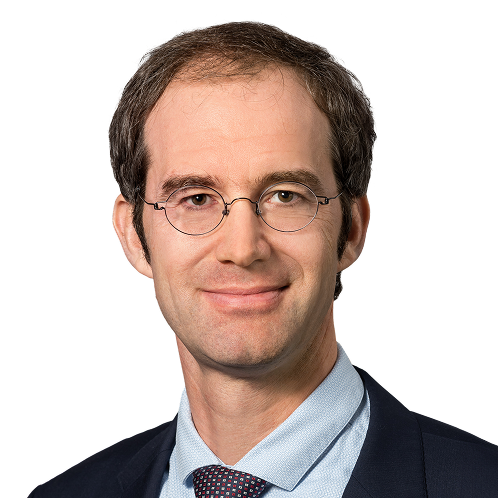
Prof. Dr. Hans-Christoph Friederich
Vice Dean for Education
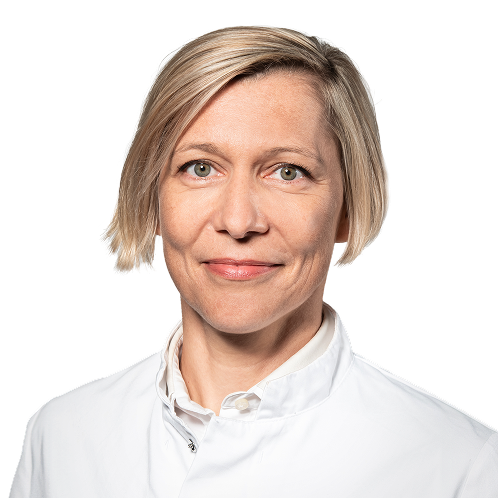
Univ. Prof. Dr. med. dent. Diana Wolff
Vice Dean for Dental Education
Virtual reality-supported training is now an integral part of our curriculum, reinforcing Heidelberg’s reputation as an innovative center for dental education.
The year 2025 was marked by the consolidation of key reform initiatives in dental education at Heidelberg Faculty of Medicine. Following the completion of the transition in the pre-clinical phase, the focus shifted to the successful implementation of the clinically oriented, interdisciplinary curriculum introduced under the new German Dental Licensing Regulations. Particular emphasis was placed on quality assurance for competency-based assessment formats, the standardization of structured oral-practical examinations, and curriculum mapping. At the same time, digital teaching and feedback formats were further expanded, creating an increasingly seamless digital learning environment. Virtual reality-supported training has also become an integral part of the curriculum, reinforcing Heidelberg’s reputation as a nationally and internationally recognized center for innovative concepts in dental education.
Alongside curricular and technological development, maintaining close dialogue with our students remained a key priority. A range of exchange formats, including the Dental Round Table, have become well-established instruments for the participatory development of the degree program. In addition, the STRONG together resilience program, developed at Heidelberg, provides valuable support to students during particularly demanding phases of their studies.
The extraordinary commitment of our teaching staff, students and employees deserves special recognition. Thanks to their solution-oriented approach, responsiveness and willingness to find constructive compromises, we were able to maintain a high standard of education despite continued space limitations and infrastructural challenges. At the same time, close collaboration with Heidelberg Faculty of Medicine enabled us to lay important foundations for the further development of our infrastructure and its adaptation to the demanding requirements of modern, competency-based dental education.
We see digital transformation as the key to sustainably strengthening excellence in research and teaching while actively shaping the future of our faculty.
The establishment of the Vice Dean’s Office for digitalization created a central driving force for strategically and sustainably advancing digital transformation at Heidelberg Faculty of Medicine. We see digital transformation as the key to sustainably strengthening excellence in research and teaching while actively shaping the future of our faculty. Our goal is to prepare Heidelberg Faculty of Medicine for the future through innovative technologies, forward-looking concepts and a clear digital vision.
A particular focus lies on the field of artificial intelligence (AI). The Vice Dean’s Office is driving the development of digital infrastructures, including the High Performance Computing Core Unit, which provides researchers with state-of-the-art computing resources for data-intensive projects. In close collaboration with Heidelberg University, numerous digitalization projects for research and administration are being developed and implemented. Data-intensive research also depends on the legally compliant use of personal data, including data generated through routine clinical care. To enable the secure use of these data – including via the academic research network and the services of the University Computing Centre – the Vice Dean’s Office is developing a governance framework with clear ethical and legal principles.
Beyond infrastructure, the Vice Dean’s Office actively promotes networking within the rapidly growing AI community at Heidelberg Faculty of Medicine. Through a dedicated website, regular networking events and targeted communication activities, it brings together expertise, fosters collaboration and increases visibility. These efforts are complemented by the production of showcase films highlighting the innovative strength of Heidelberg’s AI community to both the international research community and the wider public.
Looking ahead, the Vice Dean’s Office for Digitalization will continue to play an active role in shaping the faculty’s digital transformation. Key priorities include the further expansion of digital infrastructures, the promotion of innovative technologies, and strengthening the national and international visibility of the outstanding research conducted at Heidelberg.
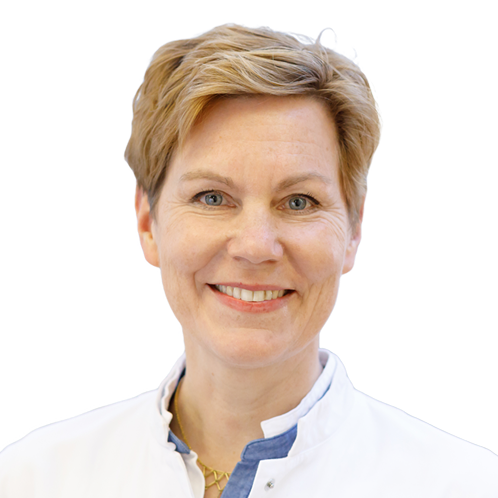
Prof. Dr. med. Dr. phil. Eva Winkler
Vice Dean for Digitalization
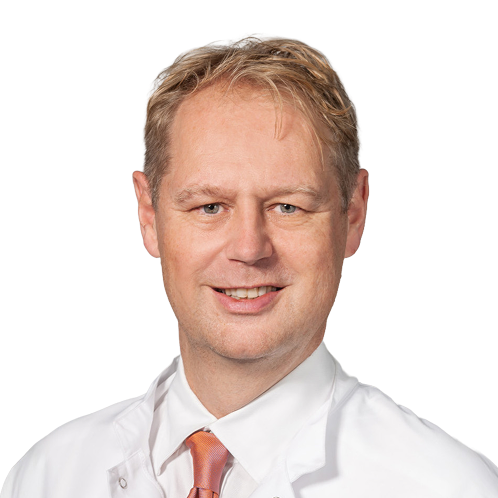
Prof. Dr. Norbert Frey
Vice Dean for Clinical Translation
The Faculty Board is firmly committed to further strengthening the translation of outstanding biomedical research into clinical practice.
The current Faculty Board is firmly committed to further strengthening the translation of outstanding biomedical research into clinical practice. This will be achieved in close collaboration with the Executive Board of Heidelberg University Hospital and the Health + Life Science Alliance Heidelberg Mannheim. In addition to strengthening collaboration with the SVH and expanding early, low-threshold advisory services, we are currently developing a new faculty funding program, the Translational Research Starter Grant.
Targeted appointments will also help to strengthen early translational research and the clinical evaluation of new therapeutic approaches. A recent example is the appointment of Professor Julia Stingl as Director of the Department of Clinical Pharmacology and Pharmacoepidemiology in 2025, further reinforcing the translation and early clinical evaluation of innovative drug therapies.
A particularly outstanding example and role model for future translational research at Heidelberg Faculty of Medicine is the work of Stephan Urban, Professor of Translational Virology. His development of a novel therapeutic agent against hepatitis D has now been recognized with the U.S. Food and Drug Administration (FDA) approval of Hepcludex (bulevirtide).
Looking ahead, another key objective is to further strengthen translational research following the planned merger of Heidelberg Faculty of Medicine and Medical Faculty Mannheim in 2027. By combining the strengths of both sites, we aim to achieve the critical mass needed to further advance translational research and accelerate scientific innovation.