Working together for people with severe heart failure – care with a view to the whole picture
Jana Wagner: Welcome to a new episode of PflegeKraft HD, the nursing podcast from Heidelberg University Hospital. This episode is part of our short series on caring for heart patients. Today we’re talking about real teamwork between two departments that work particularly closely together when it comes to people with severe heart failure: cardiac surgery and internal medicine.
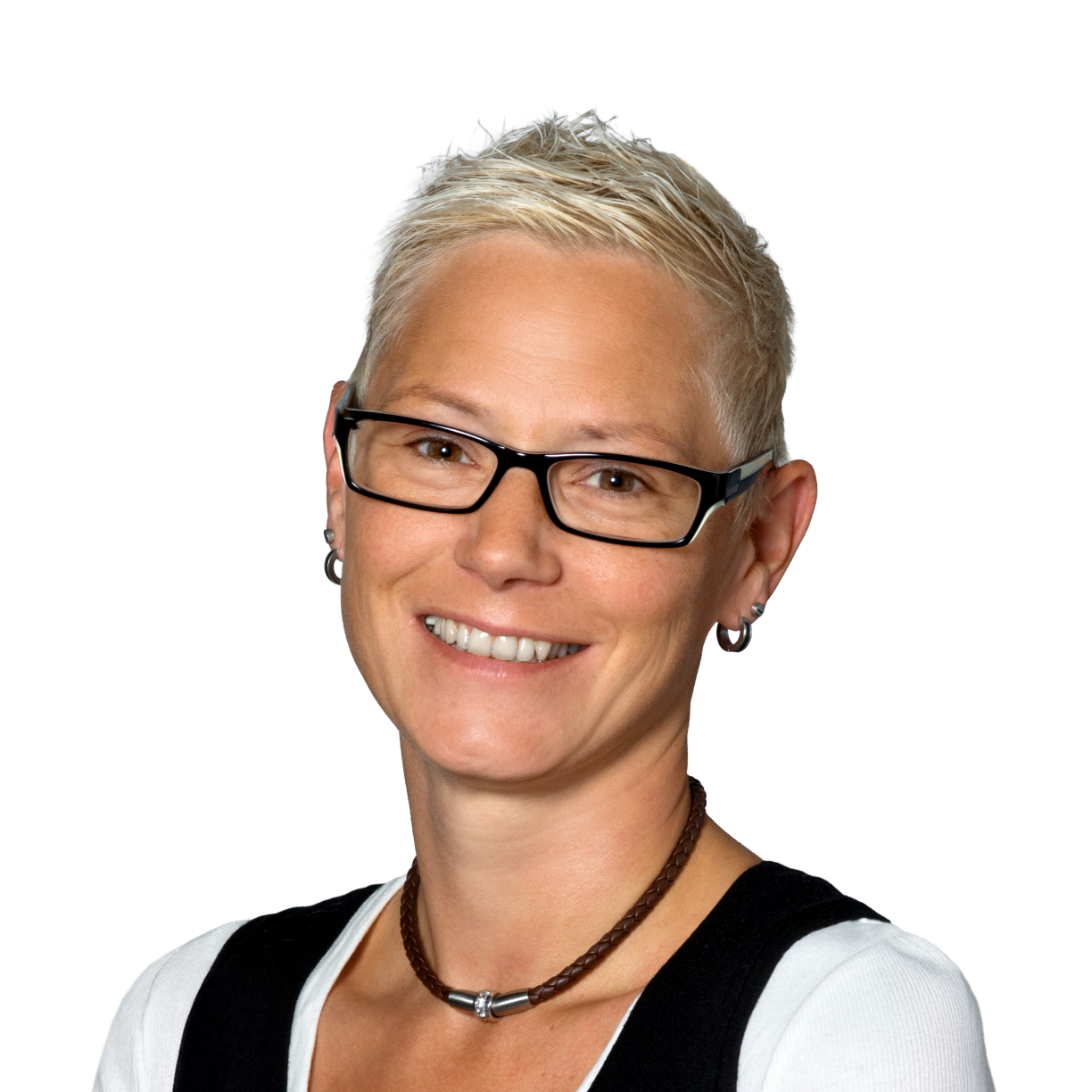
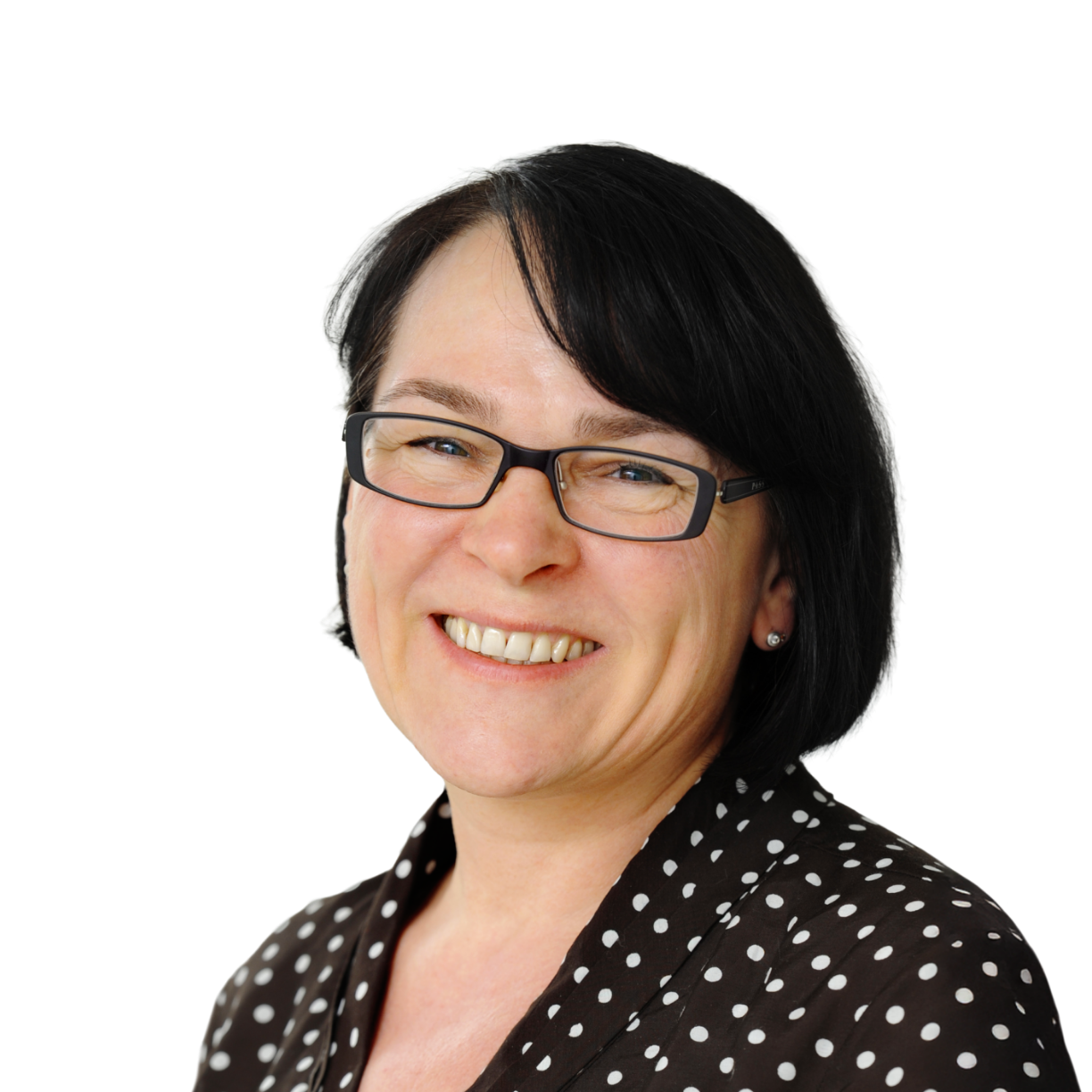
My name is Jana Wagner and I work in corporate communications at UKHD. Today I’m delighted to welcome Yvonne Müller. She is the VAD coordinator – that is, ventricular assist device coordinator – in cardiac surgery, and Lena Jung, who is an Advanced Practice Nurse (APN) in the Medical Clinic. Hello, both of you!
Yvonne Müller: Hello!
Lena Jung: Hello Jana.
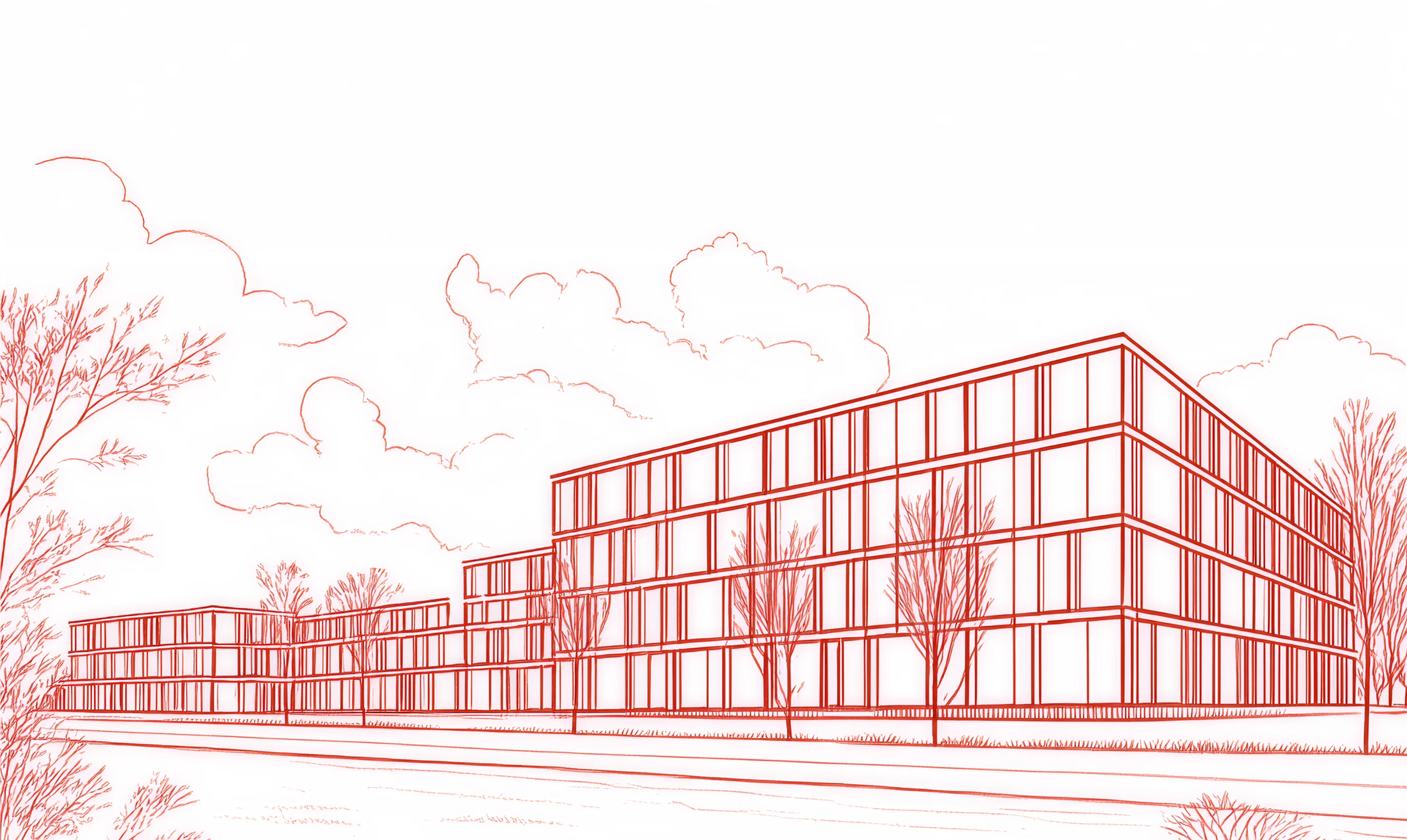
Jana Wagner: Both of you accompany your patients on their journey to transplantation, through major operations and often over many months or even years. We’ll be talking about how nursing can provide support in such exceptional situations, how good cooperation across clinic boundaries can be achieved, and what you hope the new Heart Center will bring to your daily work.
I’d like to briefly introduce you to our listeners. Let’s start with you, Lena. You are an APN nursing expert in the Medical Clinic. What exactly does that mean and what do you do?
Lena Jung: I specialize in cardiology patients – especially in patients with heart failure, i.e., people whose hearts are very weak. This means that the heart muscle simply no longer pumps sufficiently. These patients arrive on our ward and are suddenly confronted with a chronic condition that will continue to worsen. And that’s where I come in. I try to educate patients about the disease, talk to them about symptoms and side effects so that they can recognize deterioration quickly and independently, take active measures, and figure out what is good for them in everyday life – so that they can continue to live as actively as possible with the highest possible quality of life.
Jana Wagner: And the patient’s journey then continues on to Yvonne – is that correct?
Lena Jung: Exactly, because medicine has advanced so much: we can do a great deal with medication, but at some point the disease has progressed so far that we have to resort to more drastic options. And that’s where it’s incredibly valuable that assist devices now exist, because we simply have very few donor organs and many people wait a very long time. But this waiting time causes damage to other organs and sometimes would simply be too long.
Jana Wagner: And Yvonne, you are a VAD coordinator in cardiac surgery. What exactly do you do?
Yvonne Müller: That’s a very good question – one that I, or our team, am often asked. There are three of us who care for people with terminal heart failure who are at the very end of their heart failure journey, as Lena already mentioned. Time sometimes runs out, despite optimal care, and unfortunately, hearts don’t grow on trees here in our backyard. To make this waiting period more bearable, and to prevent patients from becoming so unwell that they are no longer eligible for a transplant, there are mechanical support systems that are implanted on the left or right side – and in some cases, unfortunately, on both sides. These systems take over circulatory function, maintain blood flow and aim to ensure the best possible outcome until transplantation. Ten or fifteen years ago, these were people who had their devices implanted straight from intensive care. We used to call them “crashed and burned”. They then stayed in the hospital until they were transplanted – or, sadly, it ended tragically and they never got that far. In recent years, thanks in part to care provided by specialized teams, we have managed to enable many of these people to go home again, sometimes to work again, and to regain a relatively normal sense of life and family. We don’t just care for people who are 60 and older. Classic chronic heart failure often affects people from their fifties onwards, but we also have what we jokingly call a “kindergarten” – and by that we don’t mean pediatric patients, but people between 20 and 40 who are actually in the prime of their lives. In Heidelberg, the VAD coordinator is already involved before the implantation by explaining to people what kind of device we want to implant, what life will be like afterwards, what changes they may need to make and how they should adapt their daily routines. We are sometimes present in the operating room during implantation, and we provide training afterwards. As soon as patients can speak on the intensive care unit, we begin in small steps: How is the device powered? What do I need to be aware of? We accompany them through rehabilitation – but our job does not end there. Together with the cardiologists, we organize an interdisciplinary outpatient follow-up clinic and see patients there as a team. My colleagues and I from the surgical side work closely with the cardiologists so that we can prepare patients for transplantation in the best possible way.
Jana Wagner: Lena, when you think of the people you care for together – what kind of patients are they, and how do you experience them in this special phase of their lives?
Lena Jung: Patients often arrive on our ward and, for them, the diagnosis comes very suddenly: they may just have had a slight cold or felt a bit weak – and now, all of a sudden, we confront them with the diagnosis that they have a serious heart condition. These are patients who, for example, are flown back as an emergency from vacation because they suddenly experience shortness of breath. They expect an acute event; they don’t expect to be chronically ill. They expect to come to us and then go home again as healthy patients. Coming to terms with the fact that this is a chronic condition is a very difficult and long process. At this point, they also feel weak, unwell and overwhelmed, and we try simply to be there for them, to show them options and to support them.
Yvonne Müller: Heart disease is such a central issue. The heart also carries a strong emotional meaning; so many factors play into it – including existential fears when you are suddenly confronted with a chronic illness that you haven’t previously felt or experienced. It’s like Lena says: people often think, “I go to the hospital, get some medication and then I head home and everything is fine again. Then I go back to my old life.” But it’s not possible to go back to how things were before. We can help slow things down in the context of chronic disease, but we can’t cure it. I think that’s the crucial point that everyone has to grapple with at first.
Jana Wagner: Can you describe what these people need – both medically and emotionally – and what role you as nurses play in this?
Yvonne Müller: It’s actually very complex and always individual. Of course, they need close, highly professional medical care in the form of diagnostics and therapy. But alongside all this professionalism and all the medication, they need emotional support above all: they are distressed, they are uncertain, they are afraid – and yet, at the same time, they have to be prepared relatively quickly and discharged home to stand on their own two feet again. They have to learn many things at once, especially to take care of themselves. Everyone knows that diabetes is not good, that high blood pressure is not good, that a healthy lifestyle is important – but you don’t change all of that overnight. And now I have this diagnosis and someone comes and tells me: you have to lose weight, you have to exercise, you have to do this and that. But with my heart condition, I may not be able to do all that. I’m given lots of rules, I have to take many pills – maybe eight or ten just for breakfast. That alone can make you lose your appetite. To build adherence, we develop a treatment plan together with the patient, we walk the path with them and, as we often say, we try to “meet them where they are”. It may sound like a cliché, but that’s exactly what it is: for each patient you have to find the point where you can hook in, where you can build trust, and then work from there. That means we have to constantly adjust our concepts. We can’t just make one-size-fits-all plans if we want to provide truly holistic care.
Jana Wagner: What I’m hearing is that you care for your patients over a very long period of time. What does this continuity mean for the patients – and for you?
Yvonne Müller: Long-term care for these patients is like a relationship. There are good times. There are bad times. There is a bit of drama, and then there are times of reconciliation. In the end, we are very close to these people; we know a lot about their families and what life is like at home. That helps us to assess how we can continue working. When my patients come to the outpatient clinic, I can usually tell from a distance that something isn’t right. If you only ask standard questions, you often don’t find out what it is. But because we know each other so well, you can see from the small nuances that something is going on, and that helps us a lot because we are so close. But when you are very close, you also have to be able to set boundaries. Sometimes we are like a small family doctor’s office and are called about non-cardiological issues: because a neighbor has injured his arm, or because a child needs to be vaccinated.
Jana Wagner: I’m interested in the fact that there is a “before” and “after” transplantation. Does that also change the relationship – and if so, how does that show itself?
Yvonne Müller: For us as the VAD coordinator team, definitely, because our care ends with the transplant. And that plunges some people into a big emotional conflict. They think: this is the team I’ve worked with for such a long time, this is the team I trust – and now there are new people. Do I like them? Do I know them? Lena and her team on Ward “Wunderlich” know them, but the patients are then cared for in different outpatient clinics. The care is no longer as intensive as it was at the beginning, and that is a kind of letting go. Some people find this step difficult. But we are always happy when they come back to visit us afterwards – and some do come by and say, “I just wanted to say hello.”
Jana Wagner: Lena, what would you say helps patients build confidence? What can you do to make them feel safer throughout the whole process?
Lena Jung: I think, above all, patients get to know us at the bedside and as a team on the ward in their day-to-day care. We’re there consistently. Our medical colleagues tend to rotate, so patients don’t have a permanent contact person in the medical team. However, Yvonne and her colleagues in the outpatient clinic are always the same. We on the ward also work as a fairly consistent team. Patients quickly become familiar with the people they trust, and this makes them more comfortable, especially with repeat hospital stays. We are approachable and available at all times. We can clarify questions, and we’re often more accessible than, for example, our senior physician, who conducts excellent, detailed rounds but then has to move on. Our questions tend to be more related to everyday life: “How do you manage this at home?” Or we ask: “How do you handle this at home?” It’s only when patients start thinking about this that it really dawns on them: “At some point, I’ll be going home. I’ll need to manage this on my own. How do I actually do that?” I also believe, as Yvonne mentioned, that we’ve learned to adjust to each patient’s individual abilities and resources. Of course, we’d love for patients to fully understand everything, to implement it perfectly, change their lifestyle, and be “ideal” in every way. But we know that this is an unrealistic expectation for all of us, and we try to tailor our advice and expectations to what each patient can realistically handle. This means patients are usually not afraid of us. They know they can be honest if things haven’t gone as planned. And we try to make it clear that it’s not a failure if something doesn’t work out perfectly.
Jana Wagner: We’re talking about the close interaction between surgery and internal medicine. You have very intensive teamwork in exactly this area and work in two different departments – surgery and internal medicine – but with the same patients. So I’d like to know – let’s start with you, Yvonne – how does this collaboration work in practice from your point of view?
Yvonne Müller: Better and better, I have to say. My colleague Florian Müller, who started VAD coordination here years ago, was the pioneer. He brought the cardiologists and cardiac surgeons much closer together. In the past, we were also much further apart physically: the old cardiac surgery building was several hundred meters away, with the botanical garden in between. That was a very clear boundary. Now we are an interwoven, interdisciplinary team, and the patient is truly at the center. Of course, we don’t all agree on everything; it’s like a big family: there are lots of discussions and everyone thinks they know a bit better. But in the end, it all fits together like pieces of a puzzle. And I think we benefit from each other. The cardiologists are better at some things, the cardiac surgeons at others, and we are a bit in the middle, trying to take the best from each side – and sometimes simply to mediate between the players.
Jana Wagner: And Lena, what do you need for this collaboration to work well?
Lena Jung: I also think that this physical coming together was simply brilliant. Of course, we can also talk on the phone and write emails, but it’s so much easier just to chat briefly in the corridor or coordinate something quickly. I can walk over and ask again: how do you handle this? Right after surgery, does this wound really look okay? Everything is much more closely connected. I think communication is incredibly important, and I’m really happy that we are like a big family where all questions are allowed and we can talk openly.
Jana Wagner: We’ve talked about communication and exchange. What, for you, makes good collaboration in nursing – especially in such complex cases? Are there particular factors that come to mind?
Lena Jung: I think our main shared goal is to provide holistic care for patients, to see them as individuals and also to look at their home environment: what are their family circumstances like, how are they coping? We are very much in agreement on this. That makes collaboration much easier, because we have similar visions and goals and can work well together. A short sentence is sometimes enough: for example, “We should take another look at this person’s work situation.” And then we can complement each other very well. This shared understanding of nursing – truly accompanying patients in all aspects of their lives and supporting them in coping with a very limiting chronic condition – helps us a great deal in our collaboration.
Yvonne Müller: The personal exchange we have because we see each other so often allows us to address small issues more frequently. If you only have fixed appointments and go “over to the other clinic” for a case conference – “now we’re going to discuss this and that patient” – then nuances get lost. Through this daily exchange and these short interaction paths, we can capture much more than just parameters. Of course, we have parameters: we measure NT-proBNP, various lab values, we look at the echocardiogram and performance. But those are, first of all, just numbers – and we don’t treat numbers. They are important for decisions, but the little things that make or break a therapy are things like adherence: does someone take their medication, is someone well supported at home, or are they at risk of slipping through the cracks? There are people who are very stable in the clinic after coming in decompensated and being recompensated. They go home and come back after six weeks because they can’t cope at home. You can then admit them every six or eight weeks and say, “We’ll recompensate you again and send you home” – and play that game forever. Or you can exchange ideas: “Do you have any idea what the problem might be? Can you offer another consultation, some follow-up training? Have you spoken to the family doctor? Do you know the family? I haven’t seen the son in a long time.” You can pick up on these small nuances much more quickly in personal exchange. And to be honest, no ward round has time for that. Rounds are for medical parameters, lab tests and diagnostics, but in our high-performance environment there is simply not enough time for these psychological aspects. We, as Team “Wunderlich” and the VAD coordinators, can compensate for that quite well and try to find the right tone. Each of us can sing – but together with the patient, we become a choir, you might say.
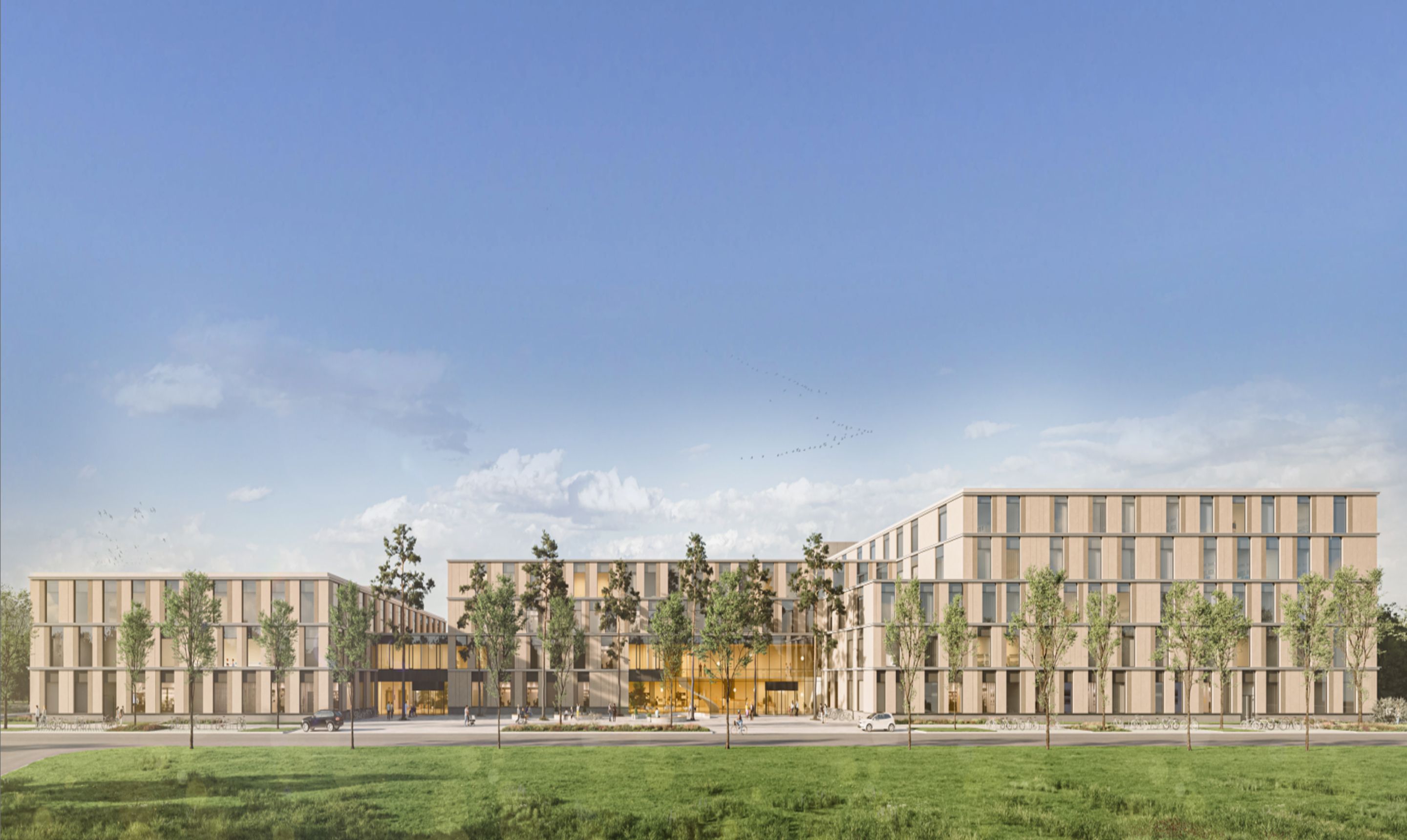
Jana Wagner: That sounds like great collaboration. Thank you very much for this vivid description. I’d like to take a look into the future: I mentioned the new Heart Center earlier and would like to know – Yvonne, perhaps you first – in the new Heart Center you’ll be working even closer together. What will that mean for your work?
Yvonne Müller: For us as VAD coordinators, it means we’ll be doing fewer steps per day because we won’t have to walk through all the different clinics anymore. In principle, I think it’s a huge game changer, because we’ll be even closer – almost like sharing an apartment. It’s no longer like living in a row of houses where I have to go outside and walk over to someone; we’ll be right next to each other. Information will flow even faster. And I think patients won’t feel like: “Now I’m in internal medicine, then I’m transferred to cardiac surgery, then back to internal medicine.” Instead, it will be clear: this is a heart team and a Heart Center. That’s very obvious to people. Patients are not “passed around” even now – but in the new Heart Center they will feel even more held and supported. And for us, the channels of communication will become much, much shorter.
Jana Wagner: With the new surgical building, a sense of closeness has already been created, as you’ve already mentioned – and now it will become even closer. Lena, how do you see it? What do you wish for nursing in the new Heart Center, both professionally and in terms of collaboration?
Lena Jung: I’m really excited. I’m very much looking forward to being able to ask about surgical questions in a completely straightforward way – and to really understand things even better. At the moment, when we have a surgical question, we call. Then I have a colleague on the phone, but I don’t have a face to go with the voice – but of course I still get my question answered. I’m also really looking forward to working with patients in this shared structure. To take the example of heart transplant patients – Yvonne already mentioned them: they usually have a VAD history, but in any case, they have a long medical history in which they were closely monitored. And then they get a new heart, a goal they have been working towards for a very long time. After that, they are suddenly completely overwhelmed and things become problems that we never anticipated as problems. We often get feedback like: “I don’t really know anymore… in surgery they told me this, now it’s different here – what’s right, what am I supposed to do when I’m back home?” People are completely overwhelmed. That’s why I’m so happy that we will then be one unit. We will speak with one voice – that reassures patients because they get a consistent message. We will have the same SOPs; everything will be truly standardized. Patients can then focus on what is really important and won’t get lost in differences between departments.
Jana Wagner: I have one last personal question for you – or perhaps you can also give our listeners a few tips. Your roles are quite special, you have a lot of responsibility and a great deal of specialist knowledge. How did you get to this point – and what should someone bring to the table who would like to follow a similar path?
Yvonne Müller: How do you become a VAD coordinator? That’s a good question. There isn’t one single, fixed training pathway for this role. All of us are qualified nurses and have worked in intensive care. Over time, we obtained additional qualifications through further training. We are trained on the devices by the manufacturers, we are wound care experts, and our colleague Lisa, for example, has completed a cardio-psychology course. You bring together many different building blocks to fit the needs of this role. At the university hospital, the VAD coordinator role is very holistic. We are involved before surgery – we provide information, and we help select and screen patients together with the physicians. We can be present during the operation; we do the training afterwards and we run the outpatient clinic. So, the spectrum is very broad. At the same time, we are in contact with the companies, we do a bit of controlling, and we work with pharmacology and microbiology. So, you can see: it’s really very multifaceted. Ultimately, you need team spirit – that’s very important. You need curiosity and enjoyment in communicating with other people and other professional groups, and you need to enjoy working with a very wide range of patients, because no two are alike. You always have to be ready to adapt to new people. You also have to enjoy working on projects, because we organize a lot of things ourselves. I think Lena will agree: we launch a lot of projects. For example, we developed an app for our aftercare patients. You don’t learn that in any standard training – you just have to be open to new things. And you have to be able to set boundaries; that’s important too.
Lena Jung: When I started working in intensive care after my training, I had a lot of respect and everything felt like a lot. The first project we started there taught me that even when you’re new to a topic, there can be a lot of positive feedback. Back then, the cardiac surgery building really was still several hundred meters away. The project dealt with initial care, for example when patients come to the hospital as an emergency after resuscitation. The departments were very separate, and each center had its own emergency management system. I simply asked questions and received such positive responses. I think that carried me forward and also took away a lot of my fear, because I realized: I’m allowed to ask here, and people work together even if they think in very different ways or have different priorities. That’s how I completed my bachelor’s degree and eventually decided – because I had grown so fond of cardiology – to do a master’s degree focusing on highly complex patient groups. These are exactly the patients who need an interprofessional team that provides holistic care, as we have tried to describe. Both the master’s program and many continuing education courses, which are also very multifaceted because there are so many aspects involved, have helped a lot. But it’s also true that you always get support if you ask nicely – everywhere. Personal development is very much linked to the challenges you face every day.
Jana Wagner: Thank you both very much for these insights into your exciting work. I hope our listeners were as captivated by your stories as I was. If you, as listeners, feel that you have a question or are interested in learning more, please feel free to use the comment function and post your questions, thoughts and feedback there – we’ll take the time to answer them. If you are interested in nursing training or specifically in caring for heart patients, perhaps Yvonne and Lena can also answer some of your questions. You can also look forward to the next episodes in our short series on caring for heart patients. The next episode will continue with this topic. If you don’t want to miss anything, subscribe to the podcast, feel free to leave a positive review or recommend us to others. Otherwise, thank you very much, Yvonne, and thank you very much, Lena, for today’s interview.